
Products For Lawn Clean Up Service
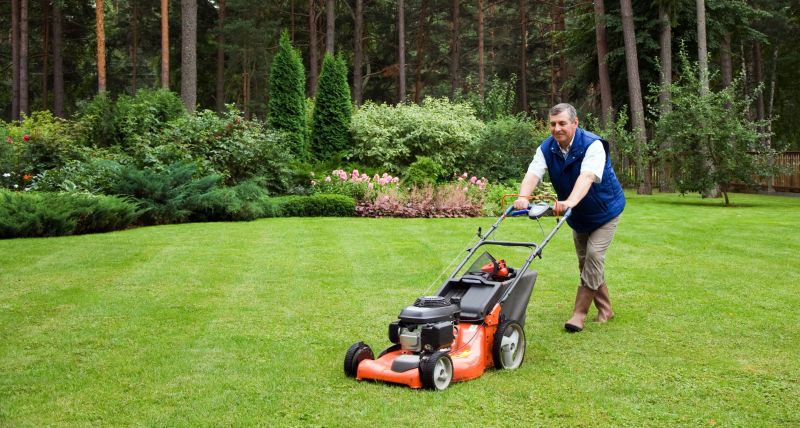 Maintaining a tidy lawn is an essential part of outdoor property care, especially in areas like Bremerton, WA where seasonal changes can lead to a buildup of leaves, grass clippings, and other debris. Effective lawn clean up tools and products help streamline the process, making it easier to keep outdoor spaces looking neat and well-maintained. From rakes and leaf blowers to debris bags and mulching equipment, there is a wide array of products designed to assist with various aspects of lawn cleanup.
Top Overall Option
Multi-Functional Leaf and Debris Management System
This versatile system combines a powerful leaf blower, a high-capacity collection bag, and a mulching feature, making it suitable for various lawn cleanup tasks. Its adjustable settings and ergonomic design aim to enhance comfort and efficiency during use.
Types of Products For Lawn Clean Up Service
Leaf Blowers
Electric and gas-powered leaf blowers help quickly move leaves and debris across lawns and driveways.
Rakes
Manual rakes are essential for gathering leaves and smaller debris, especially in tight or delicate areas.
Debris Bags
Durable collection bags facilitate easy debris collection and transport, reducing cleanup time.
Mulchers
Mulching equipment breaks down leaves and yard waste into fine mulch for composting or ground cover.
Garden Vacuums
Powerful vacuums can suck up leaves, grass clippings, and small branches, often with optional blowing functions.
Pruning Shears
Essential for trimming overgrown branches and shrubs before cleanup.
Wheelbarrows
Useful for transporting debris from the yard to disposal sites efficiently.
Extension Cords
Heavy-duty extension cords are necessary for powering electric blowers and vacuums in larger yards.
Protective Gear
Gloves, eye protection, and masks help ensure safety during yard cleanup activities.
Power Pruners
Battery-operated pruners assist in trimming branches and shrubs before debris collection.
Popular Choices
Offer portability and ease of use for quick yard cleanup tasks.
Compact and lightweight, suitable for small to medium-sized yards.
Designed for larger debris loads, making collection and disposal more manageable.
Provide efficient leaf shredding to create mulch or compost material.
Extendable rakes help reach difficult areas without excessive bending.
Wireless pruners make trimming branches more convenient and less tiring.
Useful for moving soil, mulch, or debris in tight spots.
Help transport yard waste efficiently across the property.
Assist in gathering leaves without bending or excessive effort.
Ideal for trimming hedges before debris cleanup begins.
Choosing the right equipment depends on the size of the property, the types of debris to be managed, and personal preferences for ease of use. For larger properties or heavily wooded areas, power tools like leaf blowers and mulchers can significantly reduce the time and effort required. For smaller yards, manual tools such as rakes and handheld vacuums may suffice. Proper selection of products can enhance efficiency while ensuring safety and durability.
In addition to tools, accessories like debris collection bags, extension cords, and protective gear are important considerations. Investing in quality products can improve the overall cleanup experience and result in a cleaner, healthier lawn. Regular maintenance of these tools also extends their lifespan, ensuring they remain effective season after season.
Whether you are a homeowner looking to manage seasonal debris or a professional offering lawn cleanup services, understanding the variety of available products can help you make informed decisions. The right equipment can help you achieve a neat and attractive outdoor space with less effort and more satisfaction.
Key Buying Considerations
- Yard size and debris volume: Larger properties may require more powerful or larger capacity equipment.
- Type of debris: Consider whether your yard mainly has leaves, grass clippings, branches, or a combination.
- Power source: Decide between electric, gas, or battery-powered tools based on convenience and mobility.
- Ease of use: Ergonomic design and lightweight options can reduce fatigue during extended use.
- Durability: Look for sturdy construction materials suitable for frequent use in outdoor conditions.
- Storage space: Consider the size of equipment and whether you have adequate storage options.
- Noise levels: Some tools can be loud; check for models designed to operate with less noise if necessary.
- Budget: Determine your spending range and balance cost with features and quality.
- Compatibility: Ensure accessories and replacement parts are readily available for the chosen products.
- Safety features: Look for tools with safety guards, automatic shut-offs, and protective features.
- Maintenance needs: Consider how easy it is to clean and maintain the equipment over time.
- Environmental considerations: While not eco-focused, some tools have features to reduce emissions or energy use.
- Availability of replacement parts: Ensure that spare parts or accessories are accessible when needed.
- User reviews and ratings: Reading feedback can provide insights into real-world performance and reliability.
- Warranty and support: Check for manufacturer guarantees and customer service support options.